

Carlos Rendon - Castillo Washed
Valle del Cauca, Colombia
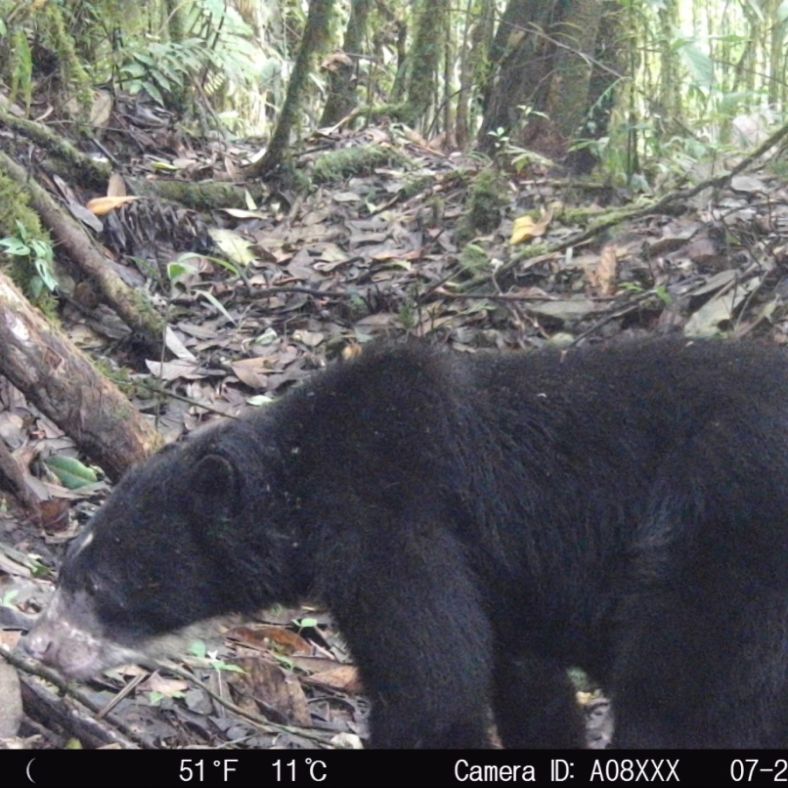
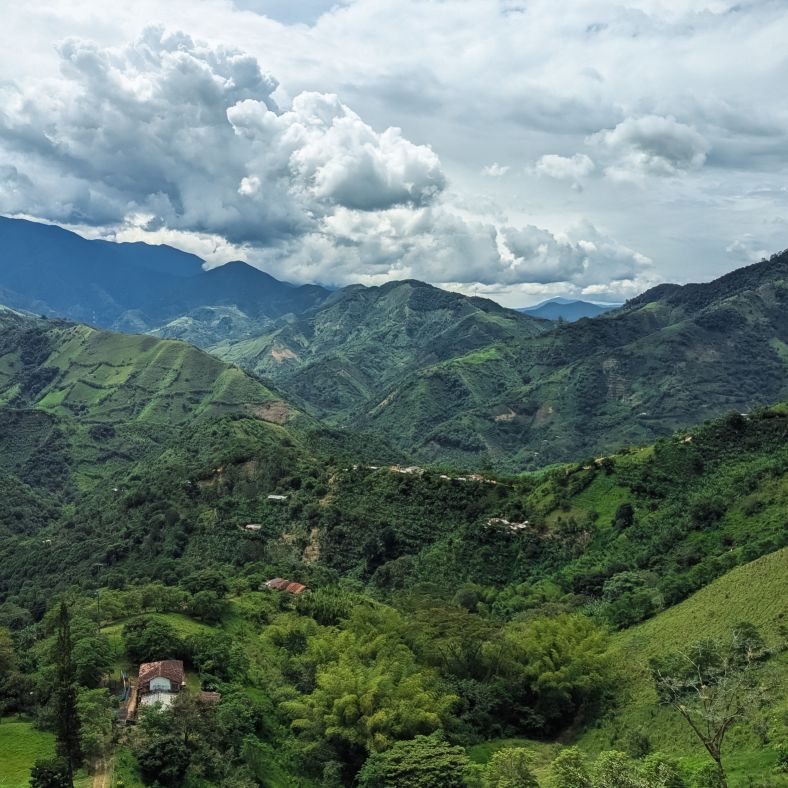
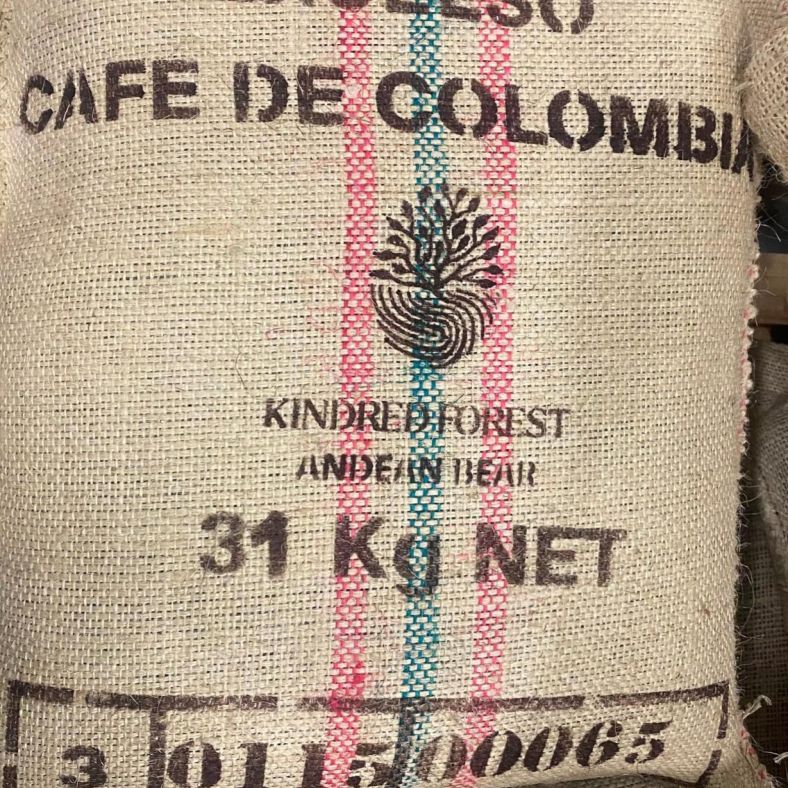
From Carlos Rendon’s Andean Bear-Friendly Farm, we’re introducing our Castillo Wash, an exquisite Colombian Coffee that protects the vulnerable Andean bear and preserves lush, wild ecosystems. Juicy, bright, and fruity.
The Andean Bear-Friendly Coffee project in Valle del Cauca is the world’s first Andean Bear-certified coffee. With the support of WCS, a small group of farmers and conservationists came together to transform traditional coffee cultivation practices, aiming to protect the vulnerable Andean Bear and improve coffee production – a win-win for farmers and biodiversity. Camera traps on these farms capture glimpses of pumas, bears, and other wildlife in the farms.
Harvest
July 2025
Packaging
35 kg Grain Pro sacks
Cupping notes
Fragrance: panela, citrus fruits, cacao. Flavour: lemongrass, melaza, red fruits, chocolate. Residual Flavour: prolonged. Lemongrass and panela. Acidity: bright. Body: creamy.
Origin
El Aguila, Valle del Cauca
Altitude
1800-2100m
Process
Tradtional wash process with 2 days of fermentation, followed by washing and drying on raised beds.
Q grade
85
Variety
Castillo

Supports Andean Bear Friendly Coffee Project, Valle del Cauca, Colombia
The project
With the support of WCS Colombia and other conservation organisations, a small group of farmers in Valle del Cauca and conservationists came together to transform traditional coffee cultivation. Since its inception, the Wildlife Friendly Project has restored 470 hectares of natural forest. Farmers are now seeing the return of the Andean bear and other wildlife, confirmed by camera-trap footage.
The people
Led by Julian Pinilla, the group of eight farmers live in the municipality of El Águila in the beautiful misty mountains. At altitudes above 1800 masl the coffee has vibrant acidity and citrusy flavour notes. Working with the conservationists, the farmers not only succeeded at expanding the forest cover in the wildlife corridor and transition to regenerative and organic practices but also raise coffee production and improve the quality, achieving the Q scores above 85. By preserving parts of their farms as forest and practicing agroforestry without the use of chemicals, farmers nurture both the soil and local biodiversity.
Harvest and process
Tradtional wash process with 2 days of fermentation, followed by washing and drying on raised beds.