Andean Bear Friendly Coffee
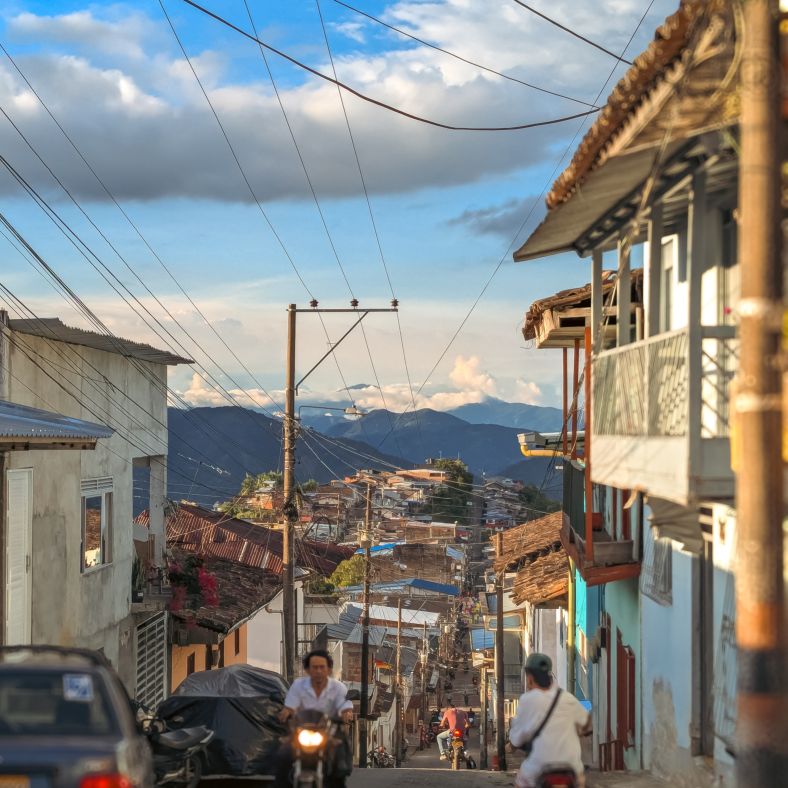
Join us on a journey to El Águila, one of Colombia’s most enchanting coffee landscapes. These farms are not only rich in biodiversity, but also showcase how wildlife-friendly farming can elevate coffee to the specialty level.

High in the rolling green hills of Valle del Cauca, we found ourselves in some of the most enchanting coffee landscapes on earth.
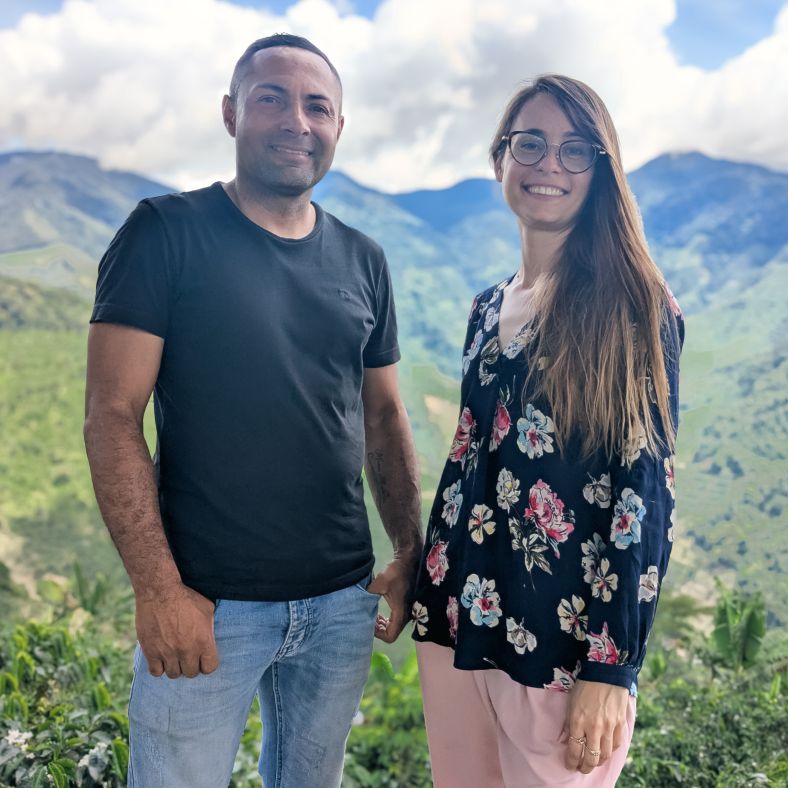
Here, a group of eight farmers became pioneers of the world’s first Andean Bear–certified coffee. I connected with Jaime Duque through a contact at Wildlife Friendly. Jaime, one of the eight farmers, greeted me upon arrival with a broad, disarming smile and effusive warmth. As I met the others, I was immediately struck by the incredible hospitality and familiarity they all radiate and I decided then that if I ever bought a coffee farm, it would have to be here.


Here’s a quick overview of how this project began and how it works.With the support of local and international organizations – including WCS, which now leads the initiative – a small group of farmers and conservationists came together to transform traditional coffee cultivation practices, aiming to protect the vulnerable Andean Bear.
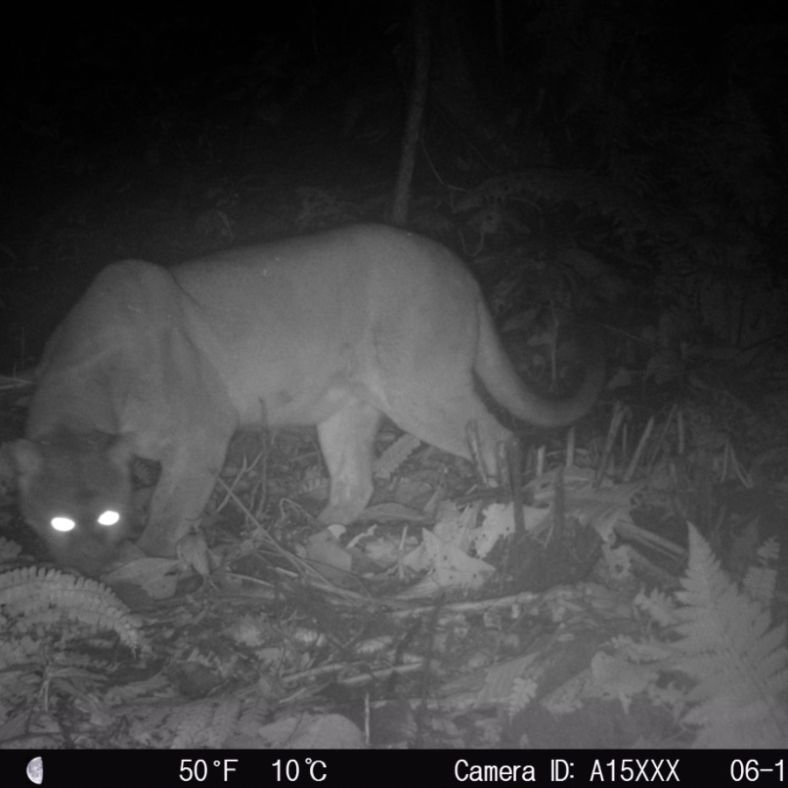
By leaving natural corridors untouched and cultivating within diverse forest landscapes, they are creating safe passageways that reconnect fragmented habitats, allowing bears and other wildlife to migrate, feed, and thrive. Camera traps on these farms capture glimpses of pumas, bears, and countless other creatures moving through the land, proof of an agricultural landscape alive with biodiversity.

The great thing is that not only does this project help to protect wildlife, but it also has helped to raise productivity of coffee and improve its quality, allowing the farmers to achieve 85 score on the Q-grade scale.
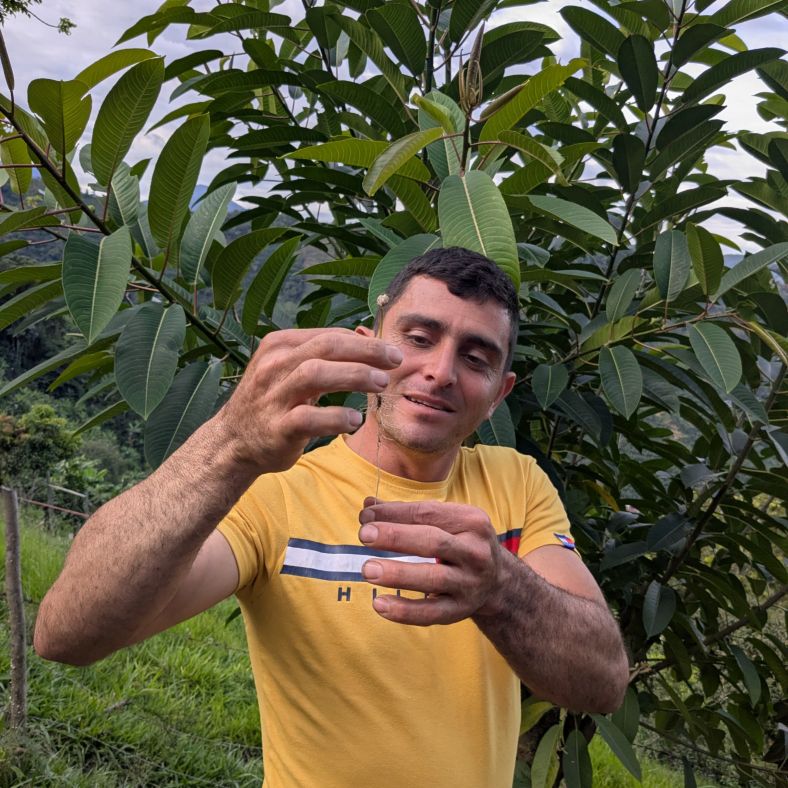
Farmer Johan Bravo beautifully explains that cultivating coffee alongside forests makes the beans truly special. Much like sponges, the coffee trees absorb the aromas and flavours of their biodiverse surroundings, giving each cup a character that cannot be replicated elsewhere. By preserving parts of their farms as forest and practicing agroforestry without the use of chemicals, farmers nurture both the soil and local biodiversity. In this thriving ecosystem, the beans develop a distinctive profile shaped by the land itself. The region’s unique terroir, defined by its relatively young, non-volcanic soil, produces coffees with high acidity, bright citrus notes and a rich panela-like sweetness.
A common challenge faced by farmers across Colombia is a long chains of intermediaries that diminish both their income and visibility. The Andean Bear farmers are still working towards building recognition of their brand so they can sell their coffee at a premium price. Being a conservation-minded farmer means a lot of sacrifices and dedication. Leaving part of the farm as a forest, means less production, and using organic practices come at an expense. It's important that the farmers can sell their coffee with a premium paid towards conservation.

It's also very inspiring to see female farmers as part of the Andean Bear group. We met with a grower and qualified coffee Q grader, Liliana Grisales, who is a testament to how the reality is shifting for women coffee producers. Liliana took training to become Q grader and now works in a local coffee lab assessing the quality of the Andean Bear coffee.
This is an extremely important role, since farmers rarely drink their own coffee and often don’t know what it tastes like. Being able to evaluate quality allows them to see how their practices affect flavour and to appreciate the fruits of their labour. Liliana has learned how different stages of the coffee process, including selection, fermentation, drying, and roasting, impact flavour. This understanding is crucial to make changes to their process and to keep improving quality, and also, importantly, to negotiate better prices.