Auction for Peace and the Coffee Situation in Cauca
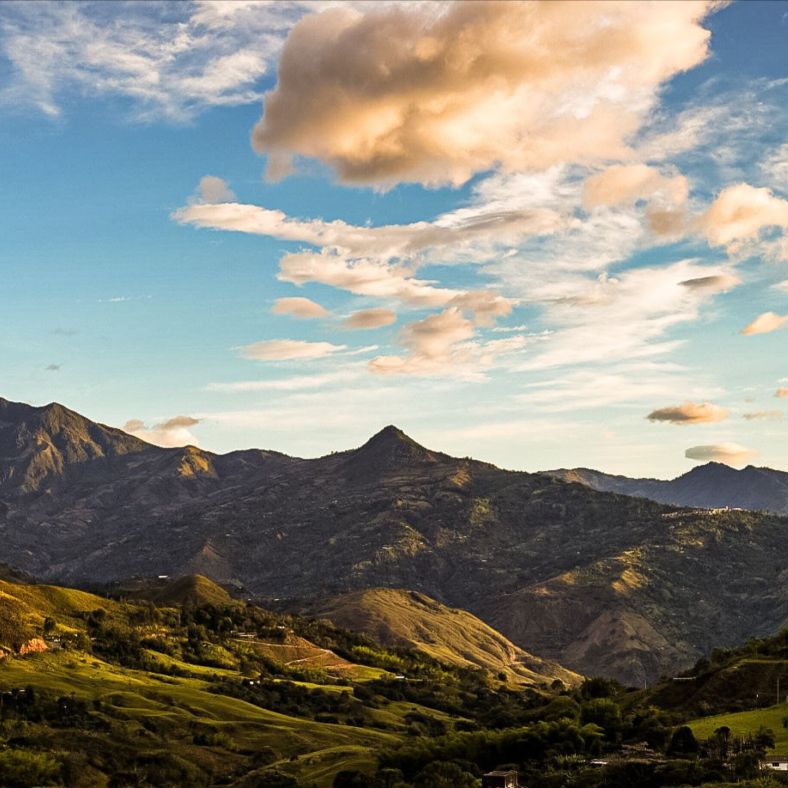
Cauca boasts some of Colombia’s best and most desired coffees, but it’s also one of the most challenging regions due to longstanding conflict. We set out to source the region’s finest coffees, aware of the role that coffee could play in Cauca’s transition toward peace.

When we began our journey across Colombia in search of impact-making coffee, we could never have imagined we’d be entering what is among the country’s most active guerrilla territories...
What drew us to Cauca were its reputation for exceptional coffee, its remoteness (we like to go where not many others do), and the opportunity to make a meaningful difference in a region that really needs it. And of course, there was also the adventure thrill...
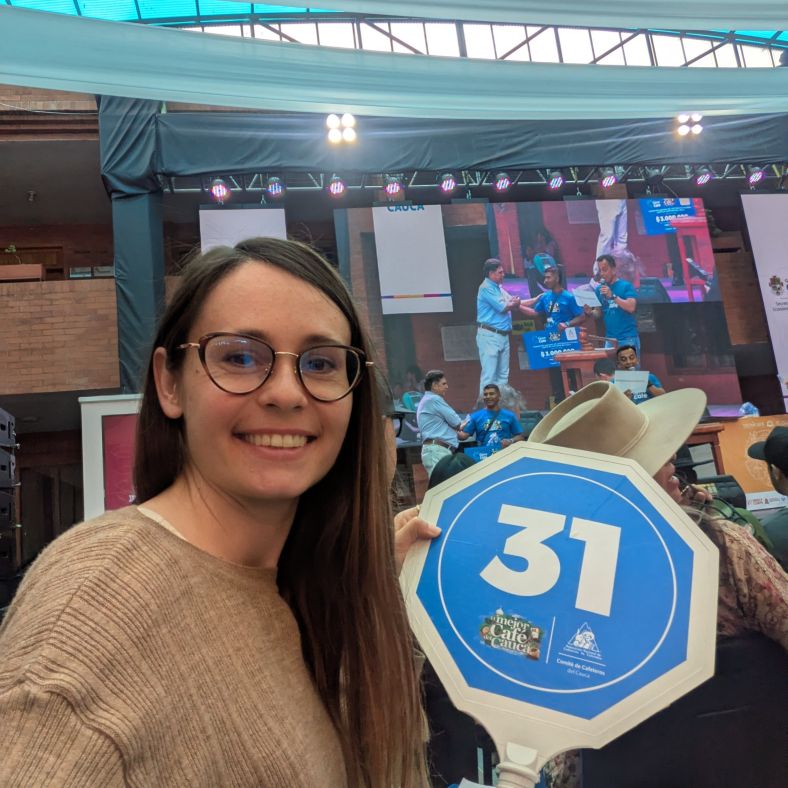
It all started with repeated trips to Popayán in pursuit of rare cacao, which in turn led us to coffee. The way it goes in Colombia is this: a chocolate maker introduced us to a cacao grower, who then connected us with a coffee and cacao exporter (and a member of FARC as we later learned) whose brother turned out to be an organiser of the coffee festival in Popayán. That’s how we got onto the international buyers group, and participated in a major coffee auction.
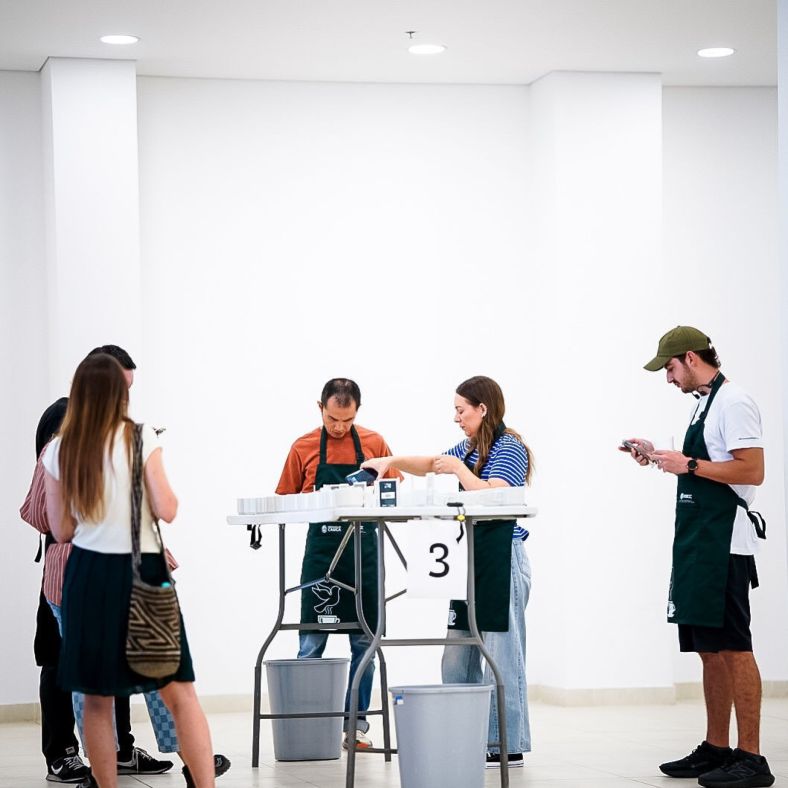
The event gave us access to some of this region’s best coffees, and the rare opportunity to meet the farmers behind them all in one place.
The situation faced by the coffee growers in Cauca
In a region long affected by conflict, with a persistent presence of armed groups, the farmers are struggling to access the market, but also, often lack capacity and training on best practices. I met female growers who made it to the festival but their coffees lacked flavour, not because of any fault of the coffee or its cultivation, but because of processing issues. This was especially true for indigenous growers living in remote villages who rarely receive support.
Yet there is reason for hope. In many of the hardest-hit areas, women are stepping into leadership roles. They see how coffee can be a way out of the circle of violence, as a way for their children to avoid recruitment into armed groups, and as an alternative to narcotics.
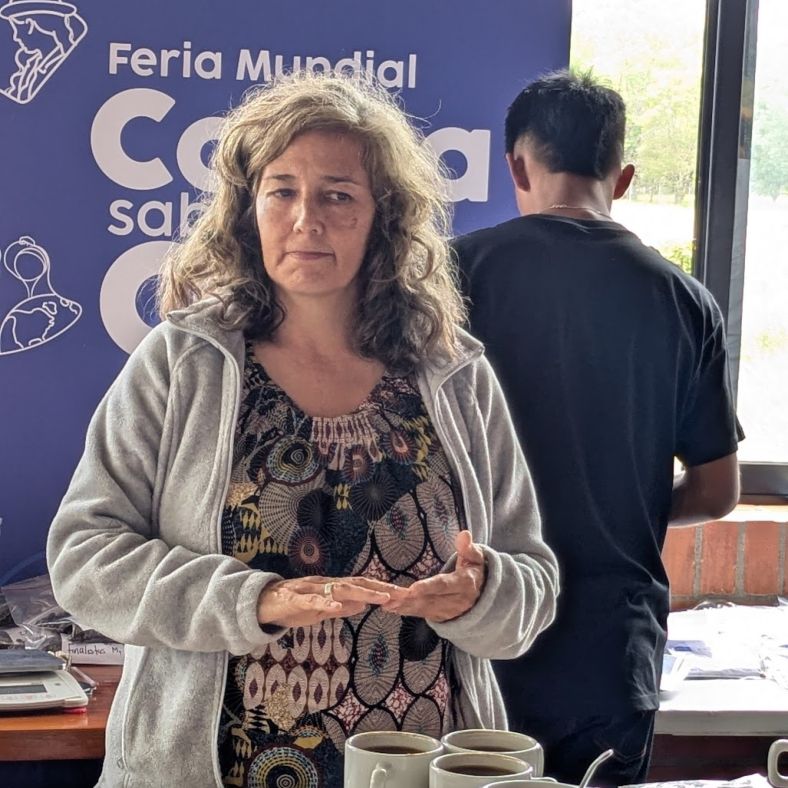
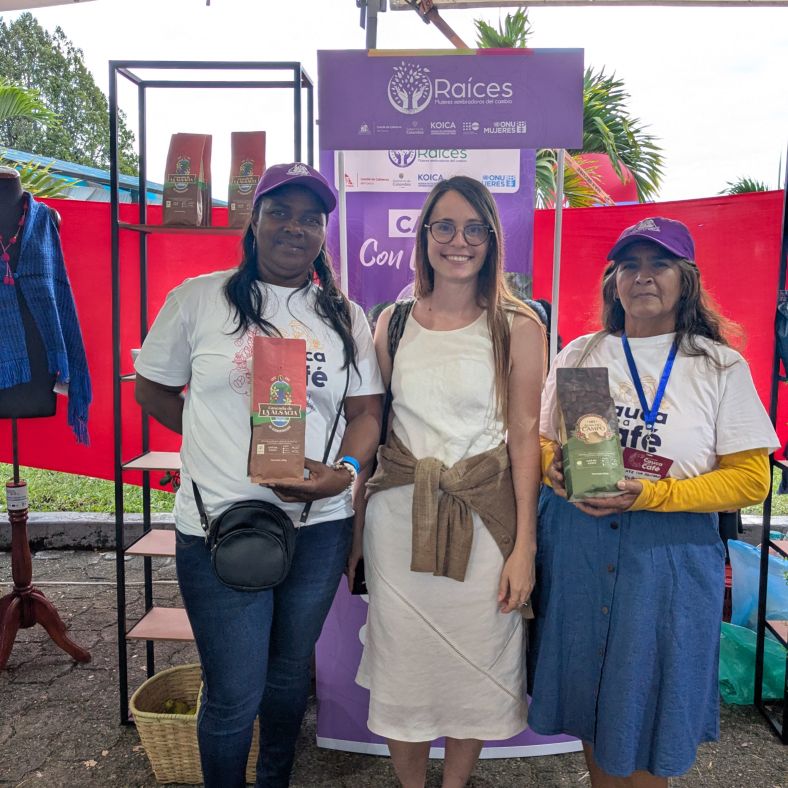
It was so inspiring to participate in a tasting session that was exclusively showcasing coffees from the women producers. These were coffees that passed rigorous judging and each woman shared her personal story. Many were moved to tears, as pride was mixed with the feeling of pain – from all it took to come all this way: the uncertainties, losses, and trauma that the conflict brings. It was beautiful and touching to see them all gathered there, proud, with the fruits of their hard work.
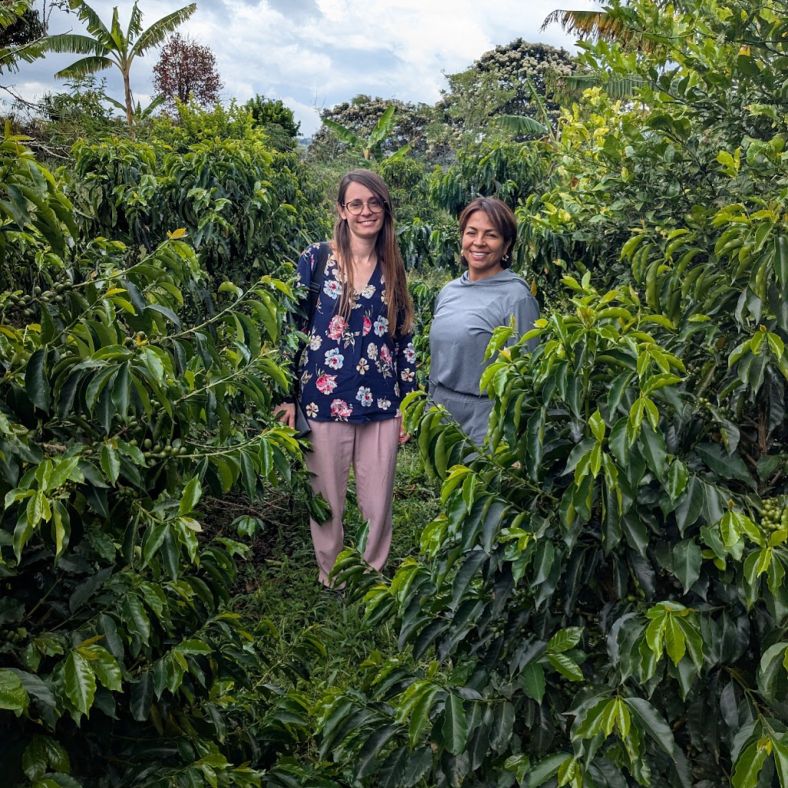
Coffee has created a path to stability, peace, and resilience. Importantly, it also plays a part in conserving the environment, offering a sustainable alternative to illicit monocultures so prevalent in the region. One women's cooperative, called AMUCC, made it their mission to fight against this trend.
About “Direct Trade”
A key challenge faced by the farmers in Cauca, but it's the same everywhere else, is that they rely on long chains of intermediaries. Both the Popayán coffee festival and the Auction for Peace in Bolívar that we also joined after the coffee festival, were a rare chance to connect directly with small-holder farmers. We bought coffee directly from five different farmers after cupping their coffees and hearing their stories.
It was not just about the opportunity to negotiate directly, but the real value was in the personal connections we built: getting to know farmers and their families, visiting their farms, and staying in touch. Few international buyers go that far. Many attend auctions, but rarely do they step beyond organised events to live among locals and travel independently.
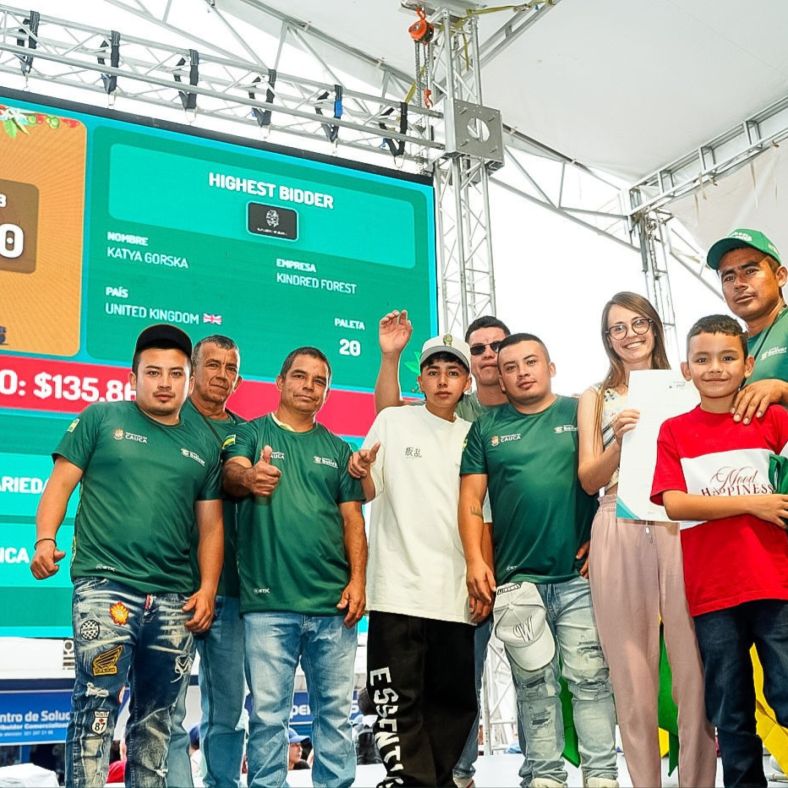
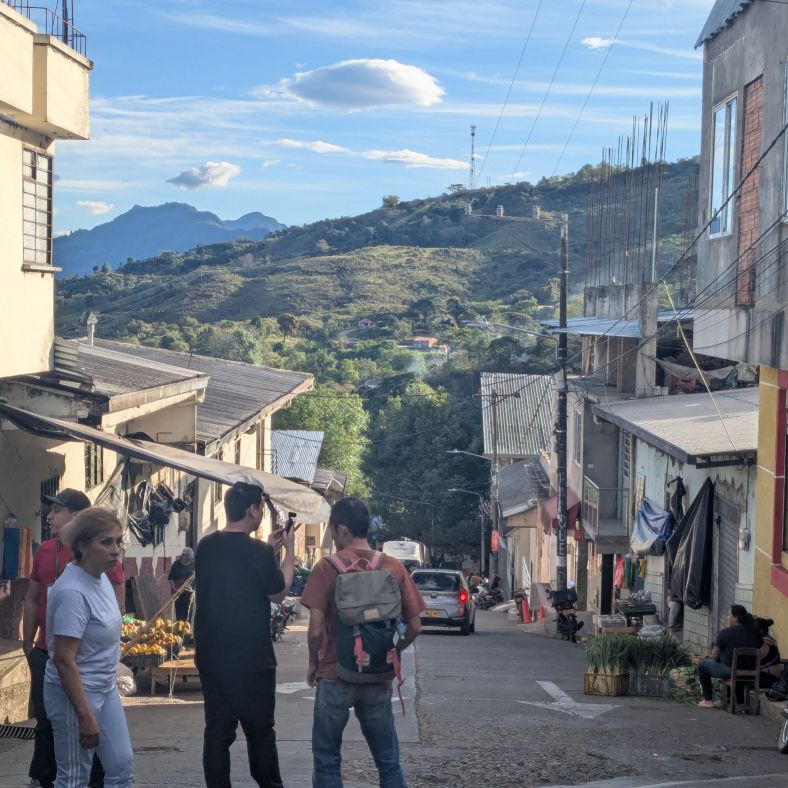
Auction events like the one at the Cauca Sabe al Café and the Subasta por La Paz / Auction for Peace are incredible because they create pathways for farmers to feel recognised and celebrated, inspiring the younger generation to follow in their footsteps. The Subasta in Bolívar gave us an opportunity to visit a place we might never have been able to go, because of security concerns.
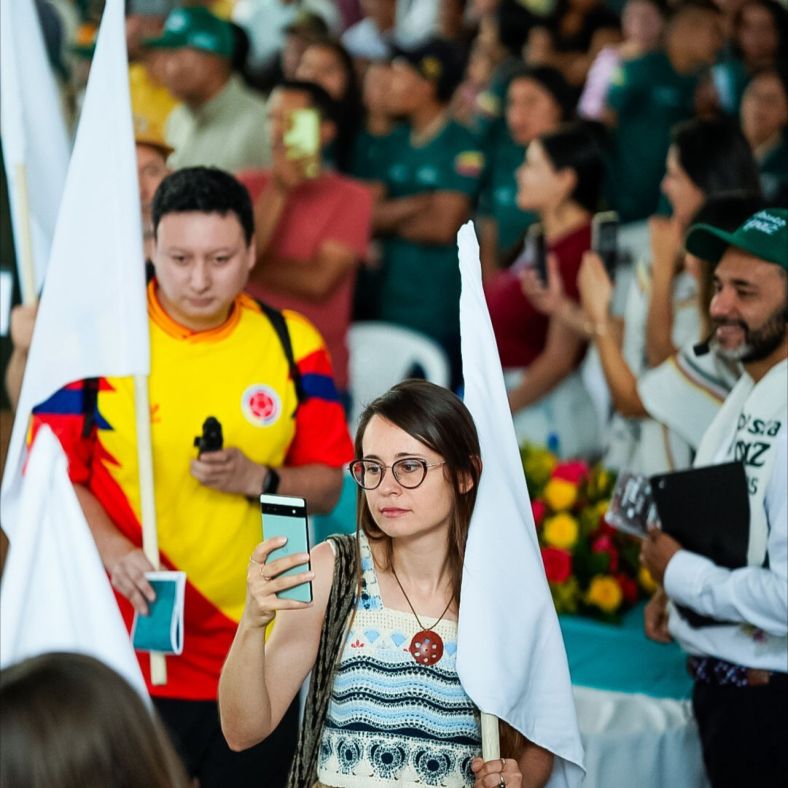
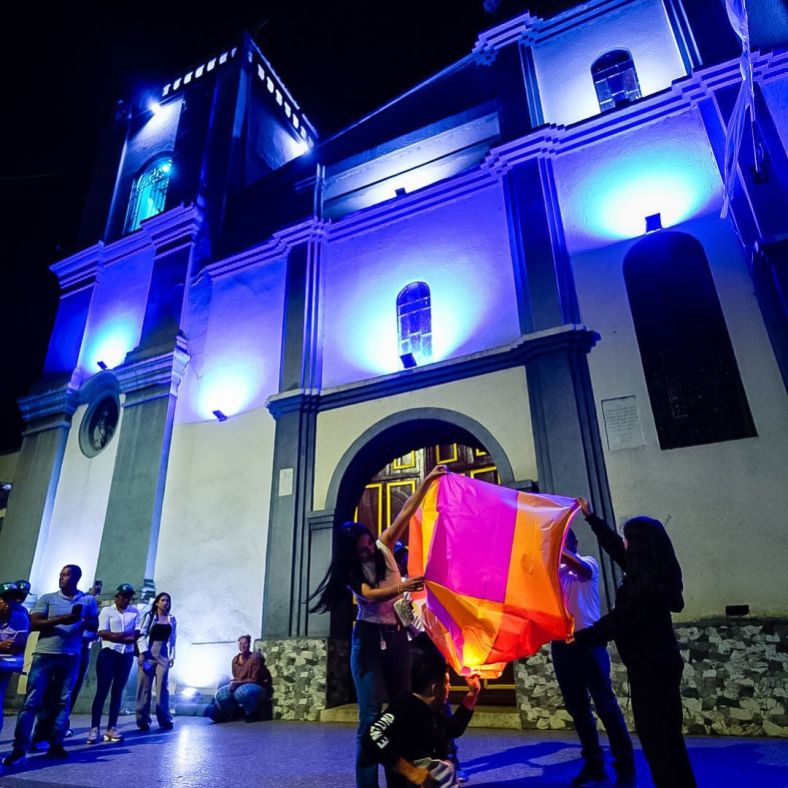
It felt surreal to see a sleepy and remote village of Bolívar come alive like a carnival, as thousands of farmers and their families gathered from across Cauca to witness their coffees celebrated and bid on. Our group of international buyers emerged from the municipal building carrying flags – flags of peace, flags of nations – while the Colombian anthem played.