Beyond “Direct” Trade
The phrase “direct trade” is everywhere these days. It’s used so loosely that it’s at risk of losing meaning. Everyone seems to be direct trade, but what does it actually involve? Drawing on our recent sourcing trips in Bolivia and Colombia, we explore what direct engagement looks like in practice, why it matters, and the challenges it brings.
What “direct trade” often means
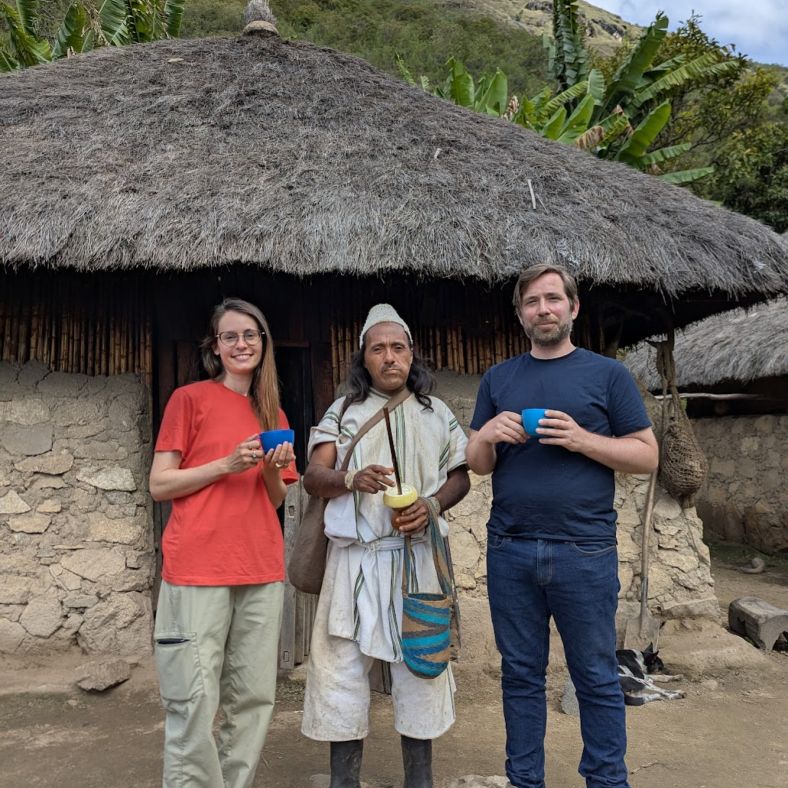
Sometimes, “direct trade” simply means ordering coffee or cacao beans online from a well-established exporter or wealthy producer who already has all the infrastructure in place to export. Buying from them doesn’t really change conditions on the ground. Other times, it means visiting farms briefly or attending auctions. But rarely do buyers go off the beaten trails to venture into remote rainforests, and indigenous territories, or conflict-affected regions to source rare ingredients.
Direct trade our way
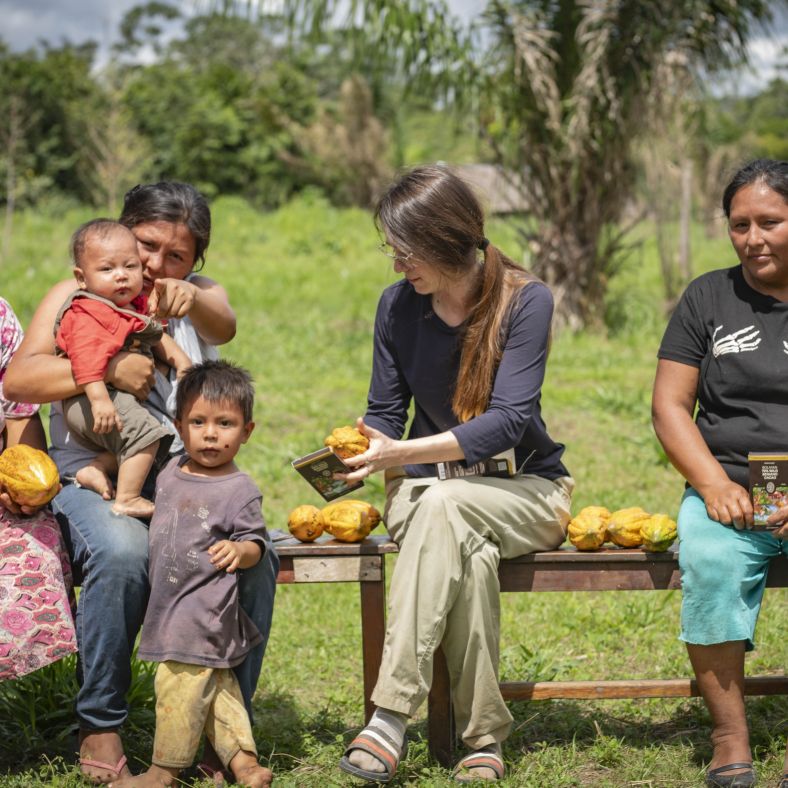
To us, those differences matter. When we go out, we don’t stay in luxury hotels or rely on curated experiences. Direct trade, for us, means buying at origin, engaging personally with producers, cutting out unnecessary intermediaries, paying differentiated pricing, and ensuring full traceability. It may sound obvious, but in practice it often doesn’t happen, and especially not, when we deal with something like wild-harvested Bolivian cacao.
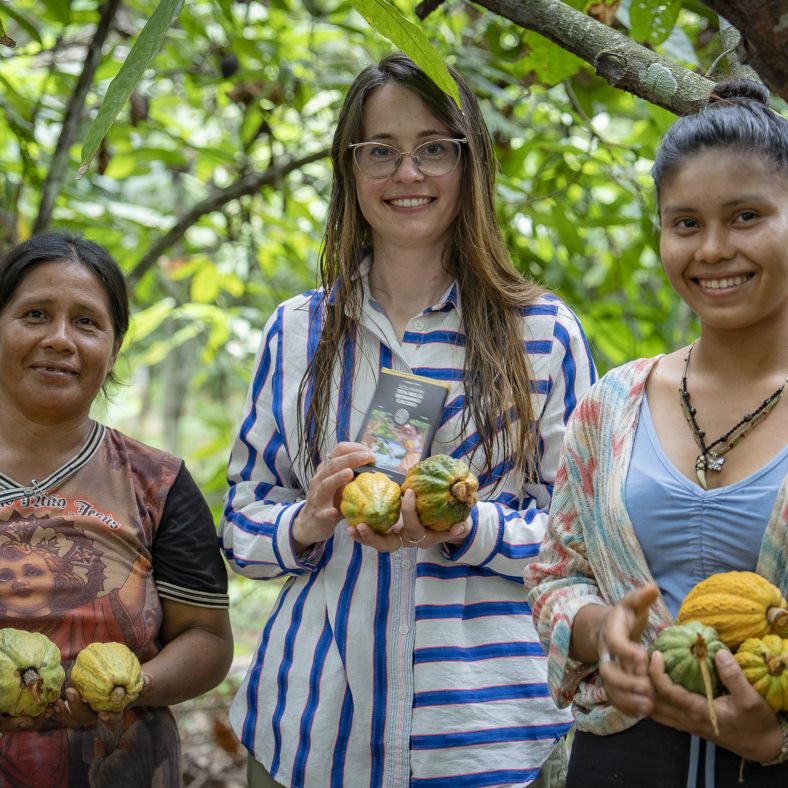
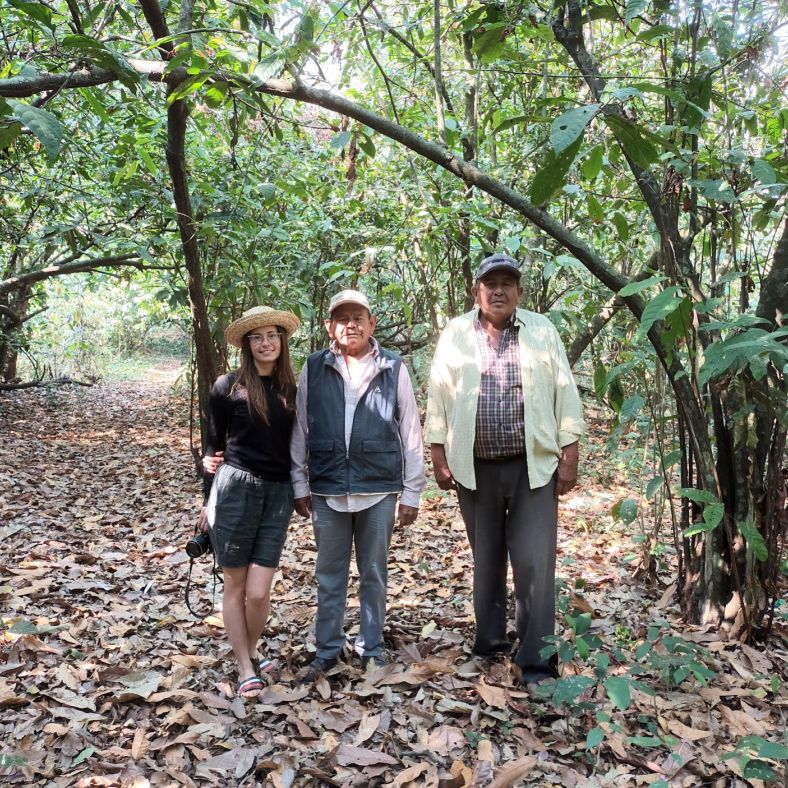
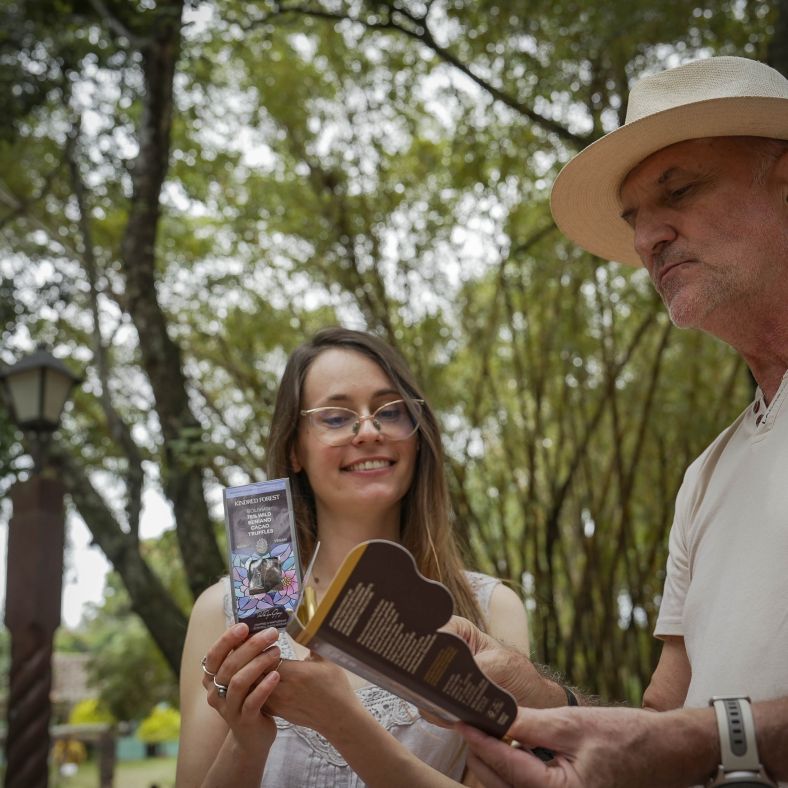
When we went to source wild cacao from the Bolivian Amazon, we stayed for a couple of months in the rainforest working alongside the community, purchasing the beans from the individual harvesters and drying them ourselves. It was a wonderful adventure but it wasn't easy. We faced a great many challenges: a draught that ruined the harvest, theft of money by dishonest local collectors, threats from a manipulative local official, cheating from some harvesters, and much more! But we didn't let it discourage us and the result is: two award-winning chocolate bars (one is on the way), and an ongoing collaboration with the wild Bolivian cacao legend - Volker Lehmann.
Why is this all so important?
Meeting farmers and harvesters face to face gives us insights that can’t be gained anywhere else. This direct insight allows us to understand what really goes on and what doesn't work. Many chocolate makers and chefs rely on big importers without seeing the effects their purchases have on communities and ecosystems. Because we go to meet the farmers who work with these companies, we know how those systems work in practice, and we can propose alternatives rooted in transparency, traceability, and conservation.
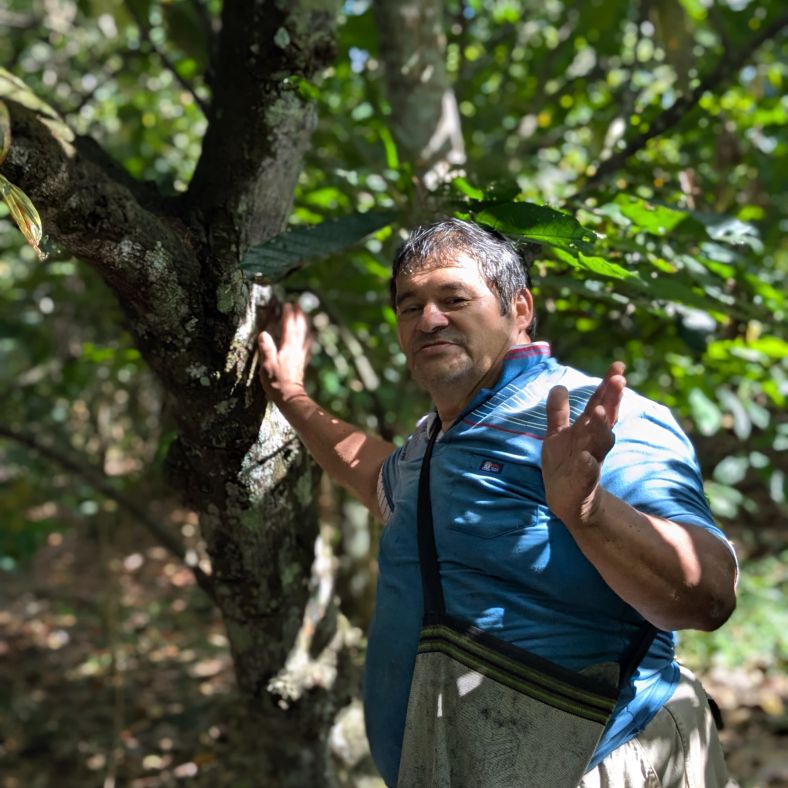
At a regional cacao meeting in Neiva, Huila, we listened for hours as farmers voiced their frustrations. The core problem was clear: they lacked access to the fine chocolate market. Large buyers were pushing for volume, ignoring quality, and driving down prices. This discouraged farmers from growing fine cacao, adopting organic practices, or protecting endangered native varieties. Instead, they were incentivised to plant high-yield clones, threatening biodiversity and the genetic lineage of rare cacao.
By working directly with smallholders in Huila and wild harvesters in Bolivia, we can channel resources into conservation and post-harvest improvements. The goal is simple: farmers earn fair value, their livelihoods improve, and rare cacao varieties get to be preserved.
It's about personal relationships
The coffee industry is more advanced in transparency than cacao, but the same issues persist. Smallholder farmers, especially in remote areas, face long chains of middlemen and often don’t receive premium prices for quality or organic production. Many don’t even realise the true value of their beans.
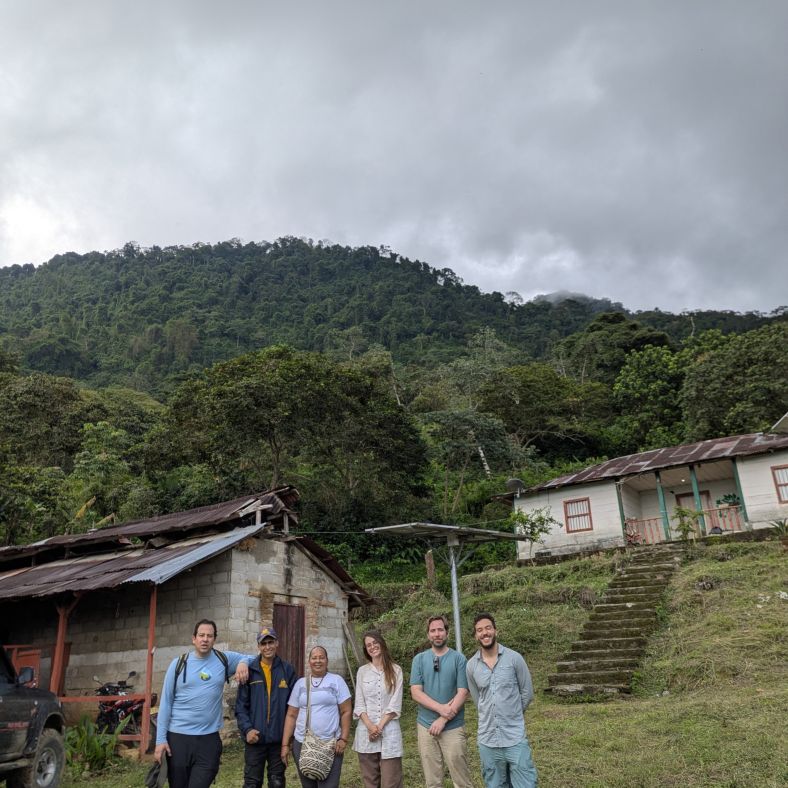
Most roasters visit farms through organised trips or with local guides. Few travel alone and undertake long journeys into risky regions (or end up being stopped by the guerrillas!). We do, because we believe it's worth it.
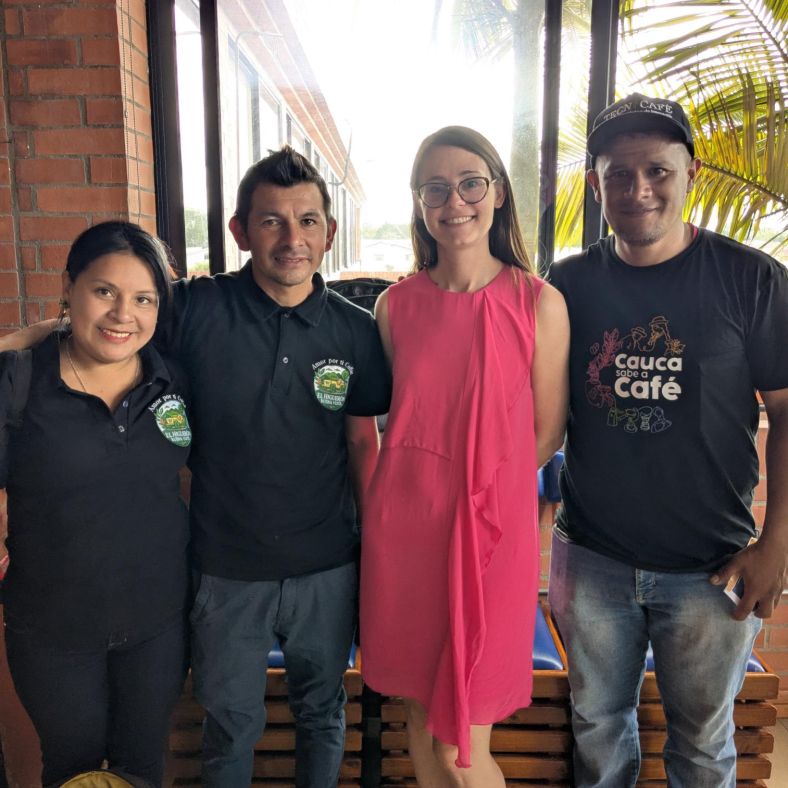
After a coffee auction at the Cauca Coffee Festival in Popayán, we sneaked out to participate in the cupping sessions for the local audience, to mingle with the farmers and hear their stories. We then bought the coffees we liked directly from the farmers and arranged transport and selection, enlisting the help of a local coffee institute.
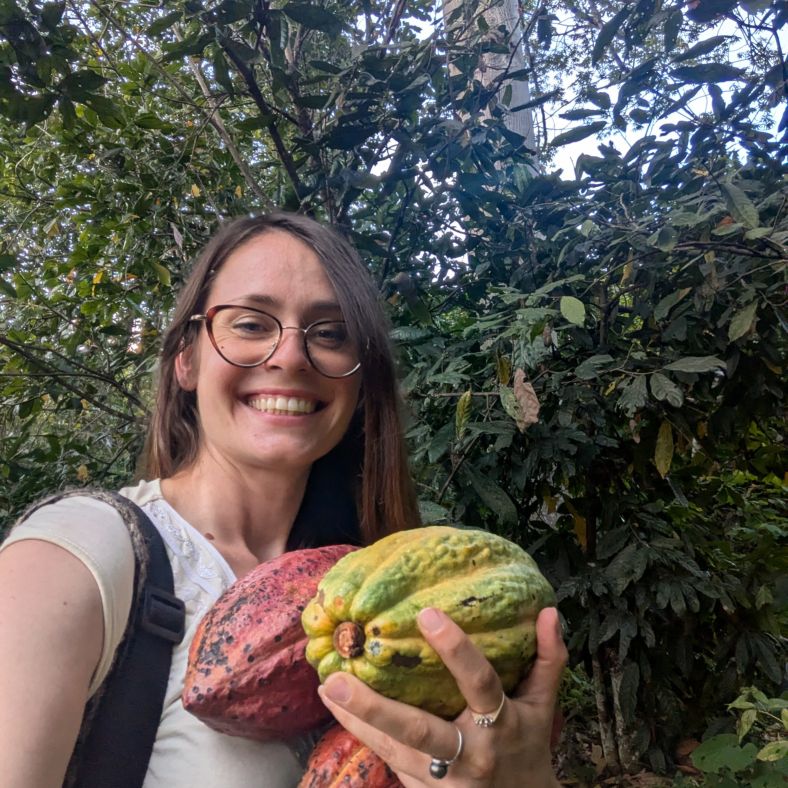
What really matters to us is building personal connections with producers, because for us it's more than a transaction. We are really passionate about these coffees and cacao, the people who produce them and the environment they are grown in, and we want to build something meaningful together.
The challenges & opportunities
Our model doesn't come without its challenges. Trading directly from remote areas without living there permanently is complex and expensive. Products can’t always be scaled. Mistakes are inevitable. At times, we rely on local partners, like Volker in Bolivia, who purchases cacao beans from harvesters on our behalf. Other times, we invest in building relationships, only to never hear back and having to start again. And with limited resources, we can’t support every farmer we’d like to.
Yet despite these obstacles, we’ve laid the foundations for something meaningful. Direct engagement allows us to truly understand the challenges on the ground and work with local people to find solutions. That, we believe, makes the real difference. Instead of arriving with ready-made answers, we listen, trusting that the people who live in those regions already hold many of the solutions but need access to markets and resources to scale them. By collaborating in this way, we help to make this happen. That, to us, is the essence of genuine direct trade.